
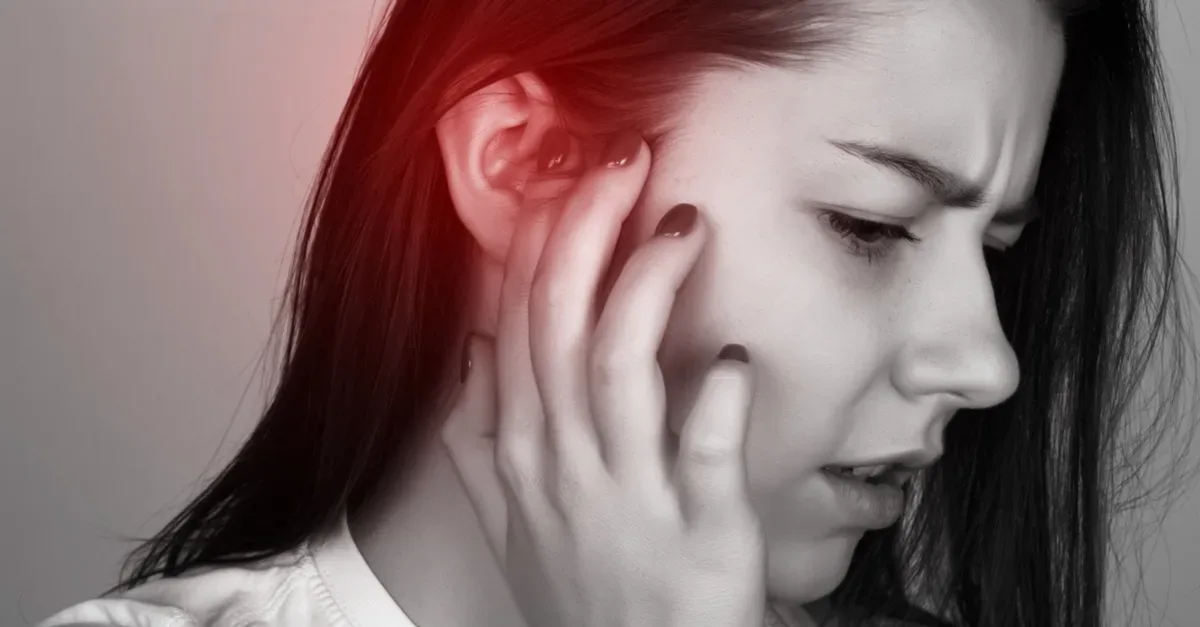
Understanding Ear Pain: Causes, Symptoms, and Treatment Options
Ear pain is one of those symptoms that can be hard to read — it may come on suddenly or build gradually, affect one ear or both, and range from a dull ache to a sharp, burning sensation. The causes are varied, which is why it can be difficult to self-diagnose.
One important rule applies in all cases: never put anything into your ears. If you are experiencing ear pain or suspect something may be lodged in your ear canal, contact MedinAction or your healthcare provider for a proper assessment.
What Causes Ear Pain?
There are many causes of ear pain, both external and internal, and it can be difficult to determine the exact issue based on symptoms alone. Here are some of the most common causes:
- Swimmer’s ear, also known as external ear infection (otitis externa)
- This is usually a bacterial infection of the ear canal caused by contaminated water entering the external ear. Scratching the ear canal or a blocked object can also cause otitis externa.
- Middle ear infections (otitis media)
- Middle ear infections are usually bacterial or viral and can develop as a complication of infections such as the common cold. Unlike external ear infections, otitis media affects the area behind the eardrum, where the three small vibrating bones of the ear are located.
- Otitis media with effusion is not an active infection, but still involves fluid build-up and inflammation in the middle ear.
- Changes in atmospheric pressure (barotrauma)
- Barotrauma is damage to the ear caused by differences in pressure between the outside environment and the inside of the eardrum. Most people have experienced this at some point — it commonly occurs when flying, deep-sea diving, or driving through hilly terrain.
- Ruptured eardrum
- A ruptured, torn, or perforated eardrum involves a hole in the eardrum, which typically causes hearing problems and ear pain. Eardrums can rupture due to loud noises, sudden pressure changes, or objects being inserted into the ear canal (such as cotton swabs or fingers).
- Blockage from earwax or a foreign object
- Referred pain
- Pain originating in other areas — such as the teeth, jaw, throat, or sinuses — can sometimes be felt in the ear.

Signs and Symptoms of Ear Problems
Children — especially those between 6 months and 2 years old — and adolescents are more likely to develop ear infections and perforated eardrums than middle-aged adults.
Symptoms associated with the ear conditions described above include:
- Ear pain
- Discharge from the ear (which may be yellow, green, bloody, contain pus, or have an odour)
- Hearing loss
- Itching or general discomfort in the ear
- Fever
- Buzzing or ringing sounds (tinnitus)
- Dizziness or lightheadedness
- Headache
When Should I See a Doctor?
If your ear pain lasts for more than one day, or if you experience any of the symptoms listed above, you should contact a healthcare provider. Seek medical attention promptly if you notice any of the following:
- Pain in areas around the ear, including the skull or jaw
- A foreign object stuck in the ear — do not attempt to remove it yourself
- Ear pain that stops very suddenly (this can be a sign of a perforated eardrum)
- Symptoms that do not improve with treatment
Leaving the underlying cause of ear pain untreated can lead to complications, including:
- Malignant otitis externa (a serious spread of outer ear infection to surrounding tissue, particularly in older adults and people with diabetes)
- More severe or deep-seated infections
- Partial or permanent hearing loss
- Eardrum perforation
- Vertigo, dizziness, or balance problems
Treatment of Ear Pain
There are several steps you can take at home to help manage ear pain while awaiting medical care. These include applying a cold or warm compress to the affected ear, sitting upright rather than lying down (an upright position reduces pressure in the inner ear), and taking over-the-counter pain relief such as acetaminophen (paracetamol) or ibuprofen. Do not give aspirin to children.
For ear discomfort caused by changes in air pressure — such as during a flight — swallowing, chewing gum, yawning, or sucking on hard candy can help equalise the pressure.
If you visit a healthcare professional, they will examine your ears using an otoscope — a device that uses light and magnification to view the ear canal — and will also check your throat and nose.
Treatment will depend on the specific cause:
- Swimmer’s ear: Your provider will typically prescribe antibiotic ear drops to be used for approximately two weeks, and may also recommend oral antibiotics or anti-inflammatory medication.
- Middle ear infections: Many doctors recommend a period of careful monitoring before prescribing antibiotics. Symptoms often improve on their own within a few days, with the infection typically resolving within one to two weeks. This approach is endorsed by the American Academy of Pediatrics and the American Academy of Family Physicians. If the infection is more severe or persistent, antibiotics will be prescribed. Chronic otitis media may require a minor surgical procedure to place drainage tubes in the ear (tympanostomy tubes).
- Ruptured eardrum: In most cases, a perforated eardrum heals on its own within about eight weeks. During this time, keep the ear dry and avoid letting water enter the canal. If the eardrum does not heal naturally or the rupture is significant, your healthcare provider may apply a patch over the eardrum — a procedure that can be performed under local or general anaesthesia.
Whenever antibiotics are prescribed, it is important to complete the full course as directed, at the correct times, to ensure effectiveness and to avoid contributing to antibiotic resistance.
Prevention
As with most health conditions, preventing ear problems in the first place is far easier than treating them. Here are some practical steps you can take:
- Do not put anything in your ears — this includes cotton swabs and fingers. They can damage the ear canal or push wax deeper.
- Dry your ears after exposure to water — after showering, bathing, or swimming, gently pat the outside of the ear canal with a soft towel, or tilt your head to each side to allow water to drain naturally.
- Earplugs can help prevent water from entering the ear during swimming.
- Some providers recommend a diluted solution of isopropyl alcohol and white vinegar (one drop of each) applied gently to the outer ear canal after swimming to help prevent bacterial growth. Ask your doctor whether this is appropriate for you — it should not be used if you have a perforated eardrum or an existing ear infection.
- Reduce your risk of colds and respiratory infections — wash your hands regularly, cough and sneeze into your elbow, and avoid sharing cups, bottles, or utensils. A good hand-washing guide is available at mayoclinic.org.
- Avoid smoking and prolonged exposure to air pollution, both of which increase susceptibility to ear and respiratory infections.
- For parents of young infants: breastfeeding for at least the first six months supports immune development and can reduce the risk of ear infections. Speak with your paediatrician for personalised guidance.
- Keep vaccinations up to date — including the annual flu vaccine and the pneumococcal vaccine, which can reduce the risk of infections that lead to ear complications.
- Protect your ears from loud noises — prolonged exposure to high noise levels increases the risk of eardrum damage and hearing loss.
Need Help with Ear Pain in Rome?
If you are experiencing ear pain or any of the symptoms described above, the MedinAction team is available to help. We provide medical consultations in English in Rome, with no appointment necessary.
About the Author: Evelyn Bigini


